Payment Methods Shaping Self-Exclusion Tools for Finnish Mobile Slots and Jackpot Players
Petra Russell · Aug 22, 2026
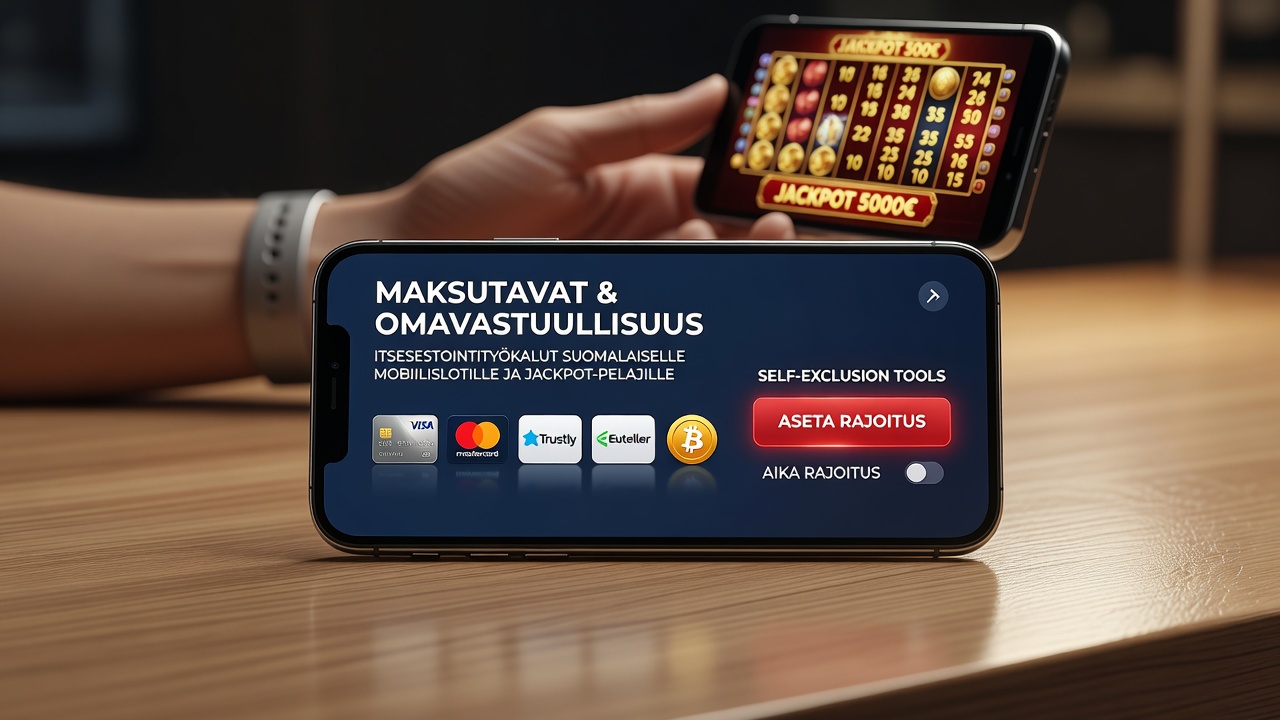
Payment Methods Shaping Self-Exclusion Tools for Finnish Mobile Slots and Jackpot Players
Payment methods used by Finnish players on mobile slots and jackpot games continue to influence how self-exclusion tools operate across licensed and offshore platforms. Direct bank transfers through services such as Trustly and Brite connect directly with account-level controls that operators apply during exclusion periods, and these connections allow instant blocks on deposits while leaving withdrawals unaffected for players who have already activated limits. Researchers tracking Finnish mobile gambling patterns note that such integration reduces the window between a decision to exclude and the actual restriction of funds, particularly for jackpot enthusiasts who often maintain larger balances across multiple sessions.
Popular Payment Options Among Finnish Mobile Players
Bank-based instant transfers dominate mobile slot activity in Finland because they bypass card networks and settle in seconds, yet the same speed creates challenges when self-exclusion registers must sync across operators. Credit and debit cards remain available on many platforms, although transaction fees and slower processing times encourage players to shift toward e-wallets like Skrill and Neteller for jackpot entries that require rapid top-ups. Observers note that prepaid vouchers and mobile billing options appear less frequently in high-stakes jackpot play because they impose daily caps that already function as informal spending controls before formal self-exclusion activates.
Integration of Payment Systems with National Self-Exclusion Registers
Finnish players can register for voluntary exclusion through Peluuri, the national helpline service that feeds data into operator databases, and several payment providers now receive hashed identifiers from these registers to prevent new accounts from receiving deposits during exclusion windows. Data shows that Trustly and similar open-banking solutions have adjusted their APIs to check exclusion status before authorizing transfers, a step that became more widespread after updates rolled out in early 2025. Those who study responsible gambling tools point out that jackpot players who favor larger, less frequent deposits encounter fewer friction points under these systems compared with frequent small-stake slot users, because the payment rails themselves enforce longer cooling-off intervals between transfers.
Technical Mechanisms Linking Payments and Exclusion Tools
Operators embed exclusion flags into payment gateways so that any attempt to fund a mobile slot session from a blocked account triggers an automatic decline message rather than a processed transaction. This approach relies on real-time API calls between the payment processor and the operator's compliance database, and it extends to jackpot features where progressive pools require confirmed funding before entry. Experts have observed that when players use multiple payment methods across devices, synchronization delays occasionally occur, yet most Finnish platforms now run nightly reconciliation checks that close these gaps within 24 hours. August 2026 marks the scheduled expansion of mandatory API standards for all operators serving Finnish residents, requiring uniform exclusion checks across bank transfers, cards, and e-wallets alike.
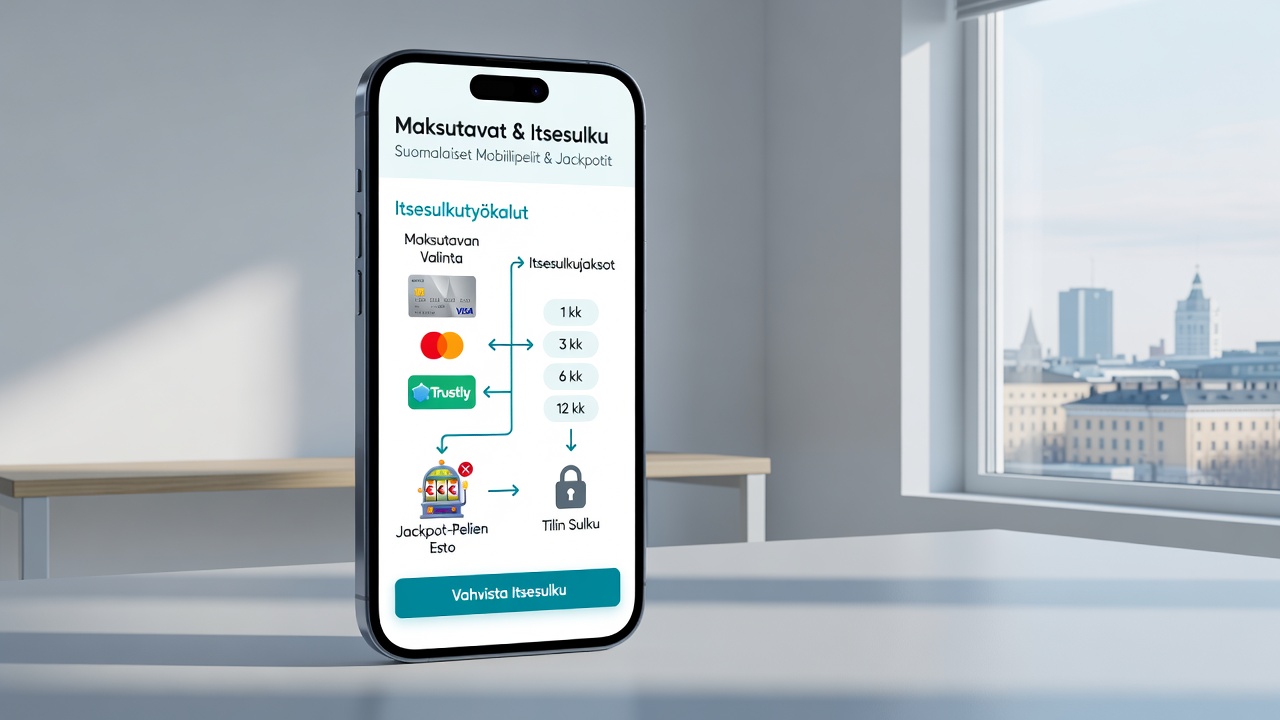
Impact on Jackpot and High-Stakes Mobile Slot Users
Jackpot participants often maintain balances across several operators to chase pooled prizes, and payment-method restrictions tied to self-exclusion force these players to consolidate activity on fewer sites during active exclusion periods. Studies of Finnish mobile gambling behavior indicate that instant bank transfers remain the preferred route for large jackpot deposits, yet the same rails now carry exclusion metadata that prevents reloads once a player has registered limits. Those who have examined transaction logs report that slot players using e-wallets experience slightly longer delays in exclusion enforcement because wallet providers maintain separate verification layers, although recent partnerships with Peluuri have narrowed that gap. The result appears in reduced instances of players attempting to circumvent exclusions through alternative funding sources.
Regulatory Framework and Compliance Requirements
Finnish authorities require all operators targeting domestic players to maintain active links with national self-exclusion databases, and payment processors operating in the market must demonstrate equivalent compliance during licensing reviews. According to figures released by the Finnish Institute for Health and Welfare, the number of registered self-exclusions rose steadily through 2025, with mobile slot and jackpot categories showing the highest proportion of payment-linked blocks. Industry reports compiled by the European Gaming and Betting Association highlight that standardized API protocols for payment exclusion checks have lowered administrative costs for smaller operators while improving consistency for players who switch between platforms. These developments continue to shape how mobile jackpot features display funding options once an exclusion period begins.
Future Adjustments Expected in Payment-Exclusion Linkages
Platform developers are testing biometric confirmation steps that combine payment authorization with exclusion status checks, aiming to eliminate the need for separate login flows on mobile devices. Such features would require players to confirm identity through fingerprint or facial recognition before any deposit attempt, regardless of whether the chosen method is a bank transfer or an e-wallet. Data collected from pilot programs suggests that jackpot players respond positively to streamlined verification because it reduces friction during high-stakes sessions while maintaining the integrity of active exclusion periods. As standards evolve, observers expect further convergence between payment rails and self-exclusion tools, particularly for Finnish users who rely on mobile slots as their primary gaming format.
Conclusion
Payment methods and self-exclusion tools now operate as interconnected systems for Finnish mobile slots and jackpot players, with bank transfers and e-wallets carrying exclusion data that limits deposits during registered periods. Regulatory updates scheduled for 2026 aim to standardize these connections across all providers, while technical integrations continue to reduce opportunities for circumvention. The patterns observed in transaction data and compliance reports demonstrate that payment infrastructure directly supports the effectiveness of voluntary exclusion measures without altering the underlying rules that govern jackpot participation or slot play.