Analyzing the Effects of Casino Promotions on Time Management Practices in Finland's Digital Gambling Community
Bianca Sullivan · Sep 5, 2026
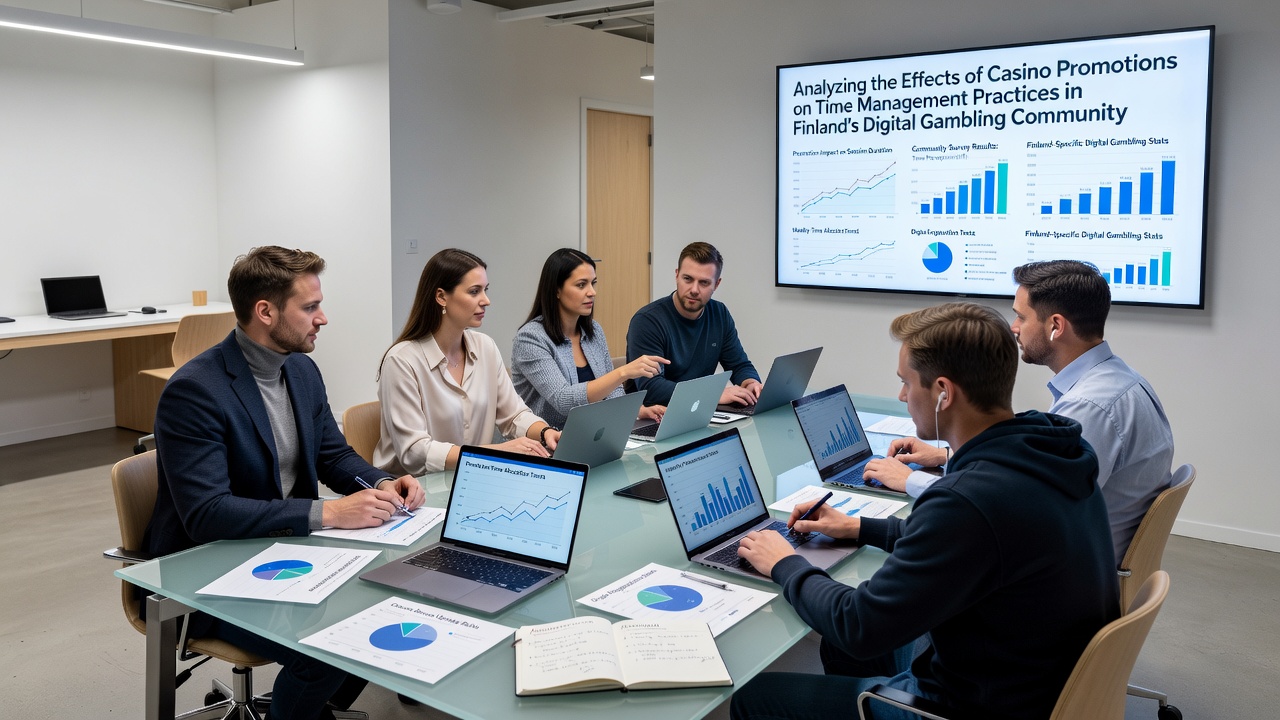
Analyzing the Effects of Casino Promotions on Time Management Practices in Finland's Digital Gambling Community
Finland's digital gambling community has expanded steadily since the rise of licensed online platforms, and researchers continue to examine how casino promotions intersect with players' daily schedules. Promotions such as deposit matches, free spins, and loyalty rewards often arrive through targeted emails and app notifications, prompting users to log in at specific times. Data collected by the Finnish Institute for Health and Welfare shows that session lengths tend to increase when these offers activate, particularly among mobile users who combine play with commuting or evening downtime.
Promotion Structures and Session Patterns
Many platforms operating in Finland structure promotions around time-limited windows, requiring players to complete wagering requirements within 24 or 48 hours. This format encourages repeated logins throughout the day, and surveys conducted in 2025 revealed that participants who accepted time-bound bonuses reported adjusting work breaks or postponing household tasks to meet deadlines. Those who studied usage logs found that average play duration rose by roughly 18 percent during active promotional periods compared with non-promotional weeks, while frequency of short check-in sessions climbed even higher.
Time Management Tools Adopted by Players
Digital gambling operators in Finland provide built-in features such as session timers, deposit limits, and reality checks that interrupt play after preset intervals. According to findings from the Canadian Centre on Substance Use and Addiction, users who activate these controls before claiming promotions maintain more consistent daily routines than those who engage with offers first. Finnish players frequently combine these tools with external apps that block gambling sites during work hours, yet activation rates drop when promotions include bonus funds that expire quickly.

Demographic Variations in Response
Younger adults aged 25 to 34 represent the largest group interacting with mobile casino promotions, and their schedules often include flexible remote work arrangements that allow mid-day play. In contrast, older participants report clustering sessions around fixed evening hours, using promotions mainly as occasional rewards rather than schedule drivers. Longitudinal tracking from 2024 through mid-2026 indicates that players who set weekly time budgets before engaging with loyalty programs experience fewer unplanned extensions than those who respond to offers spontaneously.
Regulatory Context and Upcoming Developments
Finland maintains a state monopoly on most gambling activities through Veikkaus, while international operators serve Finnish residents via licensed channels. Discussions scheduled for September 2026 at the Nordic Gambling Conference will address how promotional mechanics might be aligned with national guidelines on responsible play. Preliminary position papers suggest that clearer disclosure of time-based requirements could help users plan sessions more deliberately, although implementation details remain under review by the Ministry of Social Affairs and Health.
Research Observations on Behavioral Shifts
Academic teams at the University of Tampere have tracked self-reported time allocation among digital gamblers over multiple promotional cycles. Their datasets show that participants who receive personalized bonus notifications often move leisure activities such as exercise or social meetings to accommodate longer play windows. At the same time, a subset of users incorporates promotional calendars into existing productivity apps, treating bonus deadlines as fixed appointments rather than flexible opportunities. These patterns emerge consistently across both desktop and mobile interfaces, with mobile sessions showing sharper spikes during lunch hours and late evenings.
Conclusion
Available evidence indicates that casino promotions influence the timing and duration of gambling sessions within Finland's digital community, yet the degree of disruption depends on individual use of limit-setting features and prior planning habits. Continued monitoring through 2026 and beyond will clarify whether upcoming regulatory adjustments produce measurable changes in how players integrate gambling into broader time management strategies.